


Exploring the Victim Prevention Program: Your Guide to Staying Safe
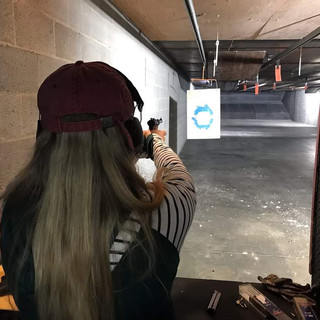
When it comes to personal safety, knowledge is power. You want to feel confident and secure wherever you go, whether you're at home, work, or out with friends. That’s exactly where a victim prevention program can make a huge difference. These programs are designed to equip you with the tools and awareness needed to avoid becoming a target. Today, we’re diving deep into one of the most respected programs out there, helping you understand how it works and why it’s so effective.
What Is a Victim Prevention Program?
A victim prevention program is a structured course or workshop that teaches you how to recognize potential dangers and take proactive steps to protect yourself. It’s not about living in fear; it’s about living smart. These programs cover a wide range of topics, including situational awareness, risk assessment, and practical self-defense techniques.
You’ll learn how to spot suspicious behavior, avoid risky situations, and respond confidently if something does happen. The goal is to empower you with knowledge and skills so you can make safer choices every day.
Key components of a victim prevention program often include:
Understanding common tactics used by criminals
Developing awareness of your surroundings
Learning verbal and physical self-defense options
Strategies for home and workplace safety
Tips for protecting yourself online and in public spaces

How a Victim Prevention Program Can Help You
You might wonder, “Why should I take a victim prevention program? I’m careful already.” That’s a great question! Even the most cautious people can benefit from structured training. These programs teach you to think like a potential victim and, more importantly, how to refuse to be one.
For example, you’ll learn how to:
Trust your instincts: If something feels off, it probably is. The program helps you tune into those gut feelings.
Set boundaries: Knowing how to say no and stand your ground can deter many threats.
Use your environment: Simple things like choosing well-lit routes or parking near exits can make a big difference.
Defend yourself: Whether it’s using your voice to attract attention or physical techniques to escape, you’ll gain confidence in your ability to protect yourself.
These skills aren’t just for adults. Many programs offer special classes for youth, seniors, and women, tailoring the content to meet your specific needs.
Why Was "Refuse to Be a Victim" Created?
The "Refuse to Be a Victim" program was developed to address a growing need for practical, accessible crime prevention education. It was created to empower everyday people with the knowledge and skills to avoid becoming victims of crime. The program focuses on prevention first, teaching you how to recognize and avoid dangerous situations before they escalate.
This program is unique because it combines awareness training with practical self-defense options, including techniques with and without weapons. It’s designed to be inclusive, offering classes for all ages and backgrounds, so everyone can learn how to protect themselves effectively.
The creators understood that fear alone doesn’t keep you safe. Instead, confidence, preparation, and awareness do. That’s why the program emphasizes proactive steps you can take every day.

Practical Tips You Can Use Right Now
You don’t have to wait to join a program to start improving your safety. Here are some actionable tips you can apply immediately:
Stay aware: Keep your head up and avoid distractions like excessive phone use when walking alone.
Plan your routes: Choose well-lit, populated paths and avoid shortcuts through isolated areas.
Secure your home: Lock doors and windows, use security systems, and consider motion-activated lights.
Use your voice: Don’t be afraid to shout or call for help if you feel threatened.
Carry safety tools: Items like whistles, pepper spray (where legal), or personal alarms can be effective deterrents.
Learn basic self-defense: Even simple moves can help you escape an attacker.
Remember, the goal is to reduce your risk and increase your confidence. These small changes can make a big difference in your daily safety.
How to Get Started with a Victim Prevention Program
Ready to take the next step? Finding a victim prevention program near you is easier than you think. Many community centers, law enforcement agencies, and private instructors offer classes tailored to your needs.
Here’s how to get started:
Research local options: Look for programs that offer comprehensive training, including awareness and self-defense.
Check for specialized classes: If you’re a woman, teen, or senior, see if there are classes designed specifically for you.
Ask about weapons training: Some programs include self-defense with weapons, which can be valuable if you’re interested.
Commit to regular practice: Like any skill, staying safe requires ongoing learning and practice.
By investing your time in a victim prevention program, you’re taking a powerful step toward protecting yourself and your loved ones.
If you want to learn more about how to protect yourself, consider exploring the refuse to be a victim program. It’s a trusted resource that has helped thousands gain confidence and safety skills.
Empower Yourself Today
Safety is not just about reacting to danger; it’s about preventing it. By educating yourself through a victim prevention program, you’re choosing to take control of your personal security. You’ll gain peace of mind knowing you have the tools to handle unexpected situations.
Whether you’re a teen, a senior, a single adult, or part of a family, these programs are designed to meet you where you are. They offer practical, easy-to-understand advice and hands-on training that can truly save lives.
So why wait? Start your journey toward greater safety and confidence today. Remember, the best way to stay safe is to be prepared, aware, and ready to act. You have the power to protect yourself - all it takes is the right knowledge and a little practice.
Stay safe out there!


Comments