


Mastering Self-Defense Techniques: Techniques and Tips
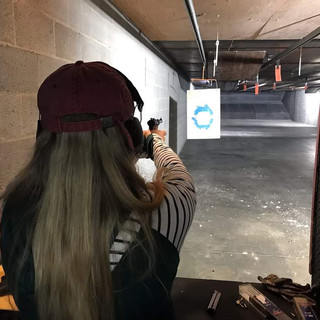
When it comes to personal safety, knowing how to protect yourself is empowering. Mastering self-defense techniques is not just about physical strength; it’s about awareness, confidence, and quick thinking. Whether you’re walking home at night, traveling, or simply going about your day, having a few solid self-defense skills can make all the difference. Let’s dive into practical tips and effective techniques that anyone can learn and use.
Essential Self-Defense Techniques You Can Start Practicing Today
Learning self-defense techniques doesn’t mean you have to become a martial arts expert overnight. It’s about simple, effective moves that anyone can use in a real-life situation. Here are some foundational techniques to get you started:
The Palm Strike: Use the heel of your palm to strike an attacker’s nose or chin. It’s powerful and less likely to injure your hand.
Elbow Strike: When close to an attacker, a quick elbow to the ribs or jaw can create space for escape.
Knee Strike: Aim your knee at the attacker’s groin or stomach when they are within reach.
Escape from Wrist Grab: Rotate your wrist toward the attacker’s thumb and pull away quickly.
Use Your Voice: Shout loudly to attract attention and intimidate the attacker.
Practice these moves regularly. Repetition builds muscle memory, so when you need them, your body reacts without hesitation.

What is the meaning of self-defense?
Self-defense is the act of protecting yourself from harm using reasonable force. It’s not about fighting or aggression; it’s about survival and safety. The goal is to stop an attacker long enough to escape and get help. Self-defense includes physical techniques, but also mental preparedness and situational awareness.
Understanding this meaning helps you approach self-defense with the right mindset. It’s about being proactive, not reactive. You learn to recognize danger early and avoid it whenever possible. When avoidance isn’t an option, you use your skills to protect yourself effectively.
Building Awareness: Your First Line of Defense
Before you even think about physical techniques, awareness is your best defense. Being alert to your surroundings can prevent many dangerous situations. Here’s how to boost your awareness:
Stay Off Your Phone: Avoid distractions when walking alone, especially at night.
Trust Your Instincts: If something feels off, it probably is. Don’t ignore that feeling.
Know Your Environment: Identify exits, crowded areas, and safe spots wherever you go.
Keep Your Hands Free: Avoid carrying too many items that limit your ability to react.
Make Eye Contact: This can deter potential attackers by showing confidence.
Awareness is a skill you can develop with practice. Try to observe details around you daily. The more you notice, the safer you become.

Using Everyday Items as Self-Defense Tools
You don’t need special weapons to defend yourself. Many everyday items can become effective tools in a pinch. Here are some common objects and how to use them:
Keys: Hold them between your fingers like claws and jab at sensitive areas.
Pen or Pencil: Use it to strike the attacker’s eyes or throat.
Umbrella: Swing it like a baton or jab with the tip.
Bag or Purse: Use it to hit or swing at the attacker.
Flashlight: Shine it in the attacker’s eyes to disorient them.
Remember, the goal is to create an opportunity to escape. Practice holding and using these items so you feel confident if the need arises.
Training Tips to Master Self-Defense Techniques
Consistency is key when learning self-defense. Here are some tips to help you train effectively:
Start Slow: Learn the basics first before moving to advanced moves.
Practice Regularly: Short, frequent sessions work better than occasional long ones.
Use a Mirror: Watch your form and correct mistakes.
Join a Class: A professional instructor can provide feedback and motivation.
Train with a Partner: Simulate real scenarios safely.
Stay Positive: Progress takes time, so celebrate small victories.
Training isn’t just physical; it’s mental too. Visualize scenarios and how you would respond. This mental rehearsal prepares you for real situations.
Empower Yourself with Knowledge and Confidence
Mastering self-defense techniques is about more than just moves. It’s about building confidence and knowing you have options. When you feel prepared, you walk taller and project strength. This alone can deter many threats.
Remember, self-defense is a skill for everyone. Whether you’re young or old, strong or small, you can learn to protect yourself. Start with awareness, practice simple techniques, and use everyday items as tools. Keep training, stay alert, and never underestimate your power to stay safe.
For more detailed information and resources on self defense, check out trusted local classes and online tutorials. Your safety is worth the effort!
Stay safe, stay strong, and keep mastering those self-defense techniques!


Comments