


Mastering Self-Defense Techniques: Your Guide to Staying Safe and Confident
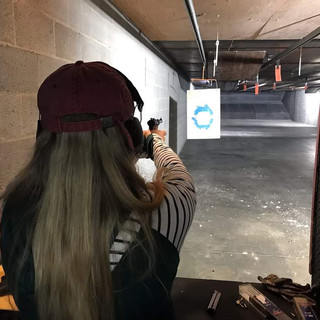
When it comes to protecting yourself and your loved ones, mastering self-defense techniques is a powerful step. You don’t have to be a martial arts expert or a fitness fanatic to learn how to defend yourself effectively. With the right knowledge and practice, you can feel more confident and prepared in any situation. This guide will walk you through essential self-defense techniques and tips that anyone can use. Ready to empower yourself? Let’s dive in!
Essential Self-Defense Techniques Everyone Should Know
Learning self-defense techniques is about more than just fighting back. It’s about awareness, prevention, and quick thinking. Here are some fundamental techniques that you can start practicing today:
Maintain a strong stance: Keep your feet shoulder-width apart, knees slightly bent, and weight balanced. This stance helps you stay grounded and ready to move.
Use your voice: Shout loudly to attract attention and intimidate an attacker. A strong, confident yell can often stop a threat before it escalates.
Target vulnerable areas: If you need to defend yourself physically, aim for sensitive spots like the eyes, nose, throat, and groin. These areas are more likely to incapacitate an attacker quickly.
Practice basic strikes: Palm strikes, elbow strikes, and knee strikes are effective and easy to learn. They don’t require much strength but can deliver powerful impact.
Learn to break free: Techniques like wrist releases and bear hug escapes can help you get out of holds and grabs.
Remember, the goal is to create an opportunity to escape safely, not to engage in a prolonged fight. Practice these moves regularly to build muscle memory and confidence.

Why Learning Self-Defense Techniques Matters
You might wonder why investing time in self-defense techniques is so important. The truth is, knowing how to protect yourself can make a huge difference in your daily life. Here’s why:
Boosts confidence: When you know you can defend yourself, you feel more secure and less anxious in unfamiliar or risky situations.
Improves awareness: Self-defense training teaches you to recognize potential threats early and avoid dangerous situations altogether.
Empowers you physically and mentally: You develop strength, coordination, and quick decision-making skills.
Provides peace of mind: Whether you’re walking home late, traveling, or just going about your day, you’ll feel safer knowing you have options.
Plus, self-defense techniques are adaptable. Whether you’re a teen, a senior, or somewhere in between, you can learn methods that suit your body and lifestyle.
What is the meaning of self-defense?
Self-defense is the act of protecting yourself from harm using reasonable force. It’s a legal and moral right that allows you to respond to threats or attacks in a way that prevents injury or danger. Self-defense isn’t about aggression or starting fights; it’s about survival and safety.
Understanding this meaning helps you approach self-defense training with the right mindset. You’re not looking to be a fighter but a protector. This mindset encourages calmness, control, and smart choices during stressful moments.
Practical Tips to Enhance Your Self-Defense Skills
Mastering self-defense techniques takes practice, but there are simple ways to improve your skills every day. Here are some practical tips:
Stay aware of your surroundings: Always scan your environment. Notice exits, people nearby, and anything unusual.
Practice regularly: Even 10-15 minutes a day can make a difference. Use mirrors or record yourself to check your form.
Take a class: Join a local self-defense or martial arts class. Group settings provide real-time feedback and motivation.
Use everyday objects: Keys, pens, or bags can be improvised as defensive tools. Learn how to use them effectively.
Trust your instincts: If something feels off, don’t ignore it. Your gut feeling is a powerful early warning system.
Stay physically fit: Flexibility, strength, and endurance all help in self-defense situations.
Learn to de-escalate: Sometimes, talking calmly and confidently can prevent violence altogether.
By incorporating these tips, you’ll build a well-rounded approach to personal safety.

How to Choose the Right Self-Defense Class for You
Finding the right self-defense class can be overwhelming with so many options out there. Here’s how to pick one that fits your needs:
Look for certified instructors: Qualified teachers ensure you learn safe and effective techniques.
Check class focus: Some classes emphasize physical techniques, others focus on awareness and verbal skills. Choose what matches your goals.
Consider your fitness level: Some programs are high-intensity, while others are beginner-friendly.
Find specialized classes: Many places offer women’s self-defense, youth classes, or senior-friendly sessions.
Read reviews and ask questions: Talk to current students or read testimonials to get a feel for the class environment.
Try a trial class: Most schools offer a free or discounted first session. Use this to see if the style and pace suit you.
Remember, the best class is one where you feel comfortable, challenged, and supported.
Staying Safe with and without Weapons
Self-defense isn’t just about physical moves. Sometimes, having a tool can increase your safety, but it’s not always necessary. Here’s what you should know:
Without weapons: Your body is your best weapon. Learning strikes, escapes, and awareness can keep you safe anywhere.
With weapons: Items like pepper spray, personal alarms, or tactical pens can provide extra protection. However, they require training to use effectively and safely.
Legal considerations: Always check local laws about carrying and using self-defense tools.
Practice with your tools: Just like physical techniques, you need to practice using any weapon regularly to be effective.
Balancing these options gives you flexibility and confidence in different situations.
Your Next Steps to Mastering Self-Defense
Now that you know the basics of self-defense techniques and tips, it’s time to take action! Start by practicing simple moves at home, stay aware of your surroundings, and consider enrolling in a class that fits your lifestyle. Remember, mastering self-defense is a journey, not a one-time event. The more you learn and practice, the safer and more confident you’ll feel.
If you want to explore more about self defense and how to protect yourself, check out local resources and training programs. Empower yourself today and take control of your personal safety!
Stay safe, stay strong, and keep mastering those self-defense techniques!


Comments